


Why Professional Product Photography?
In a store, we pick things up, ee turn them over, look at the finish, judge their size, inspect a seam, read a label and see how the parts fit together. Online, most of that physical inspection disappears.
Product photography exists largely to fill that gap. A useful set of photographs should give a customer enough visual information to form a reasonably accurate idea of the object before ever seeing it in person.
That is the starting point.
Get in Touch !
We send quotes immediately.
1. Reduce uncertainty
Buying something always involves a degree of uncertainty, and buying remotely adds more of it. Is it actually that colour? How large is it? What is the surface like? What arrives in the box? Is that part included? Does it fit ?
Good product photography will remove many of these points of uncertainty.
This does not mean making the product look spectacular at any cost. In fact, exaggerating a product can work against the seller. The more accurately the photographs describe the real object, the easier it is for a customer to decide whether it is right for them.

2. Show what words are poor at describing
Some information is better written: weight, dimensions, ingredients, compatibility or technical specifications.
Other information is remarkably difficult to put into words.
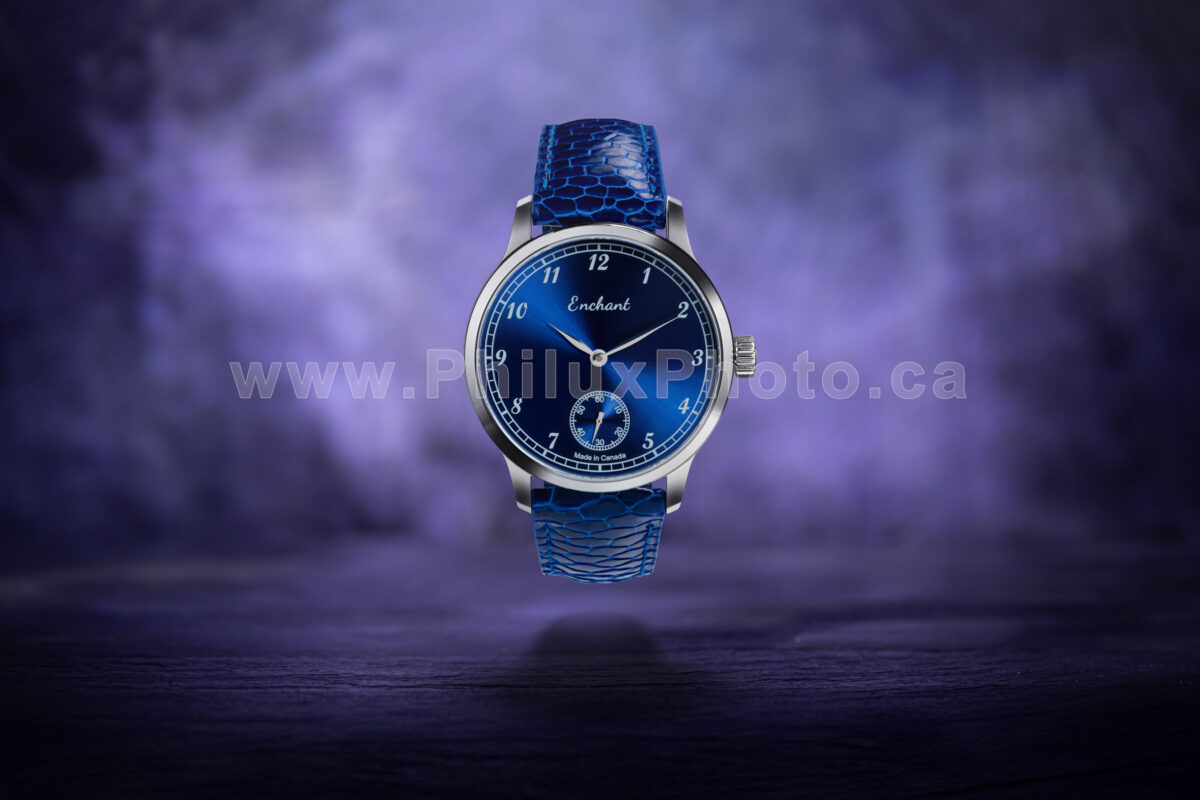
Texture, proportions, surface finish, transparency, complex construction, shape, colour relationships and the way an object sits in the hand can often be understood from a photograph almost instantly.
Photography and written information work together. One shouldn’t have to compensate for the absence of the other.
3. Answer questions before they become questions
A useful product image isn’t there simply because another photograph was needed for the gallery. Ideally, each image has a job.
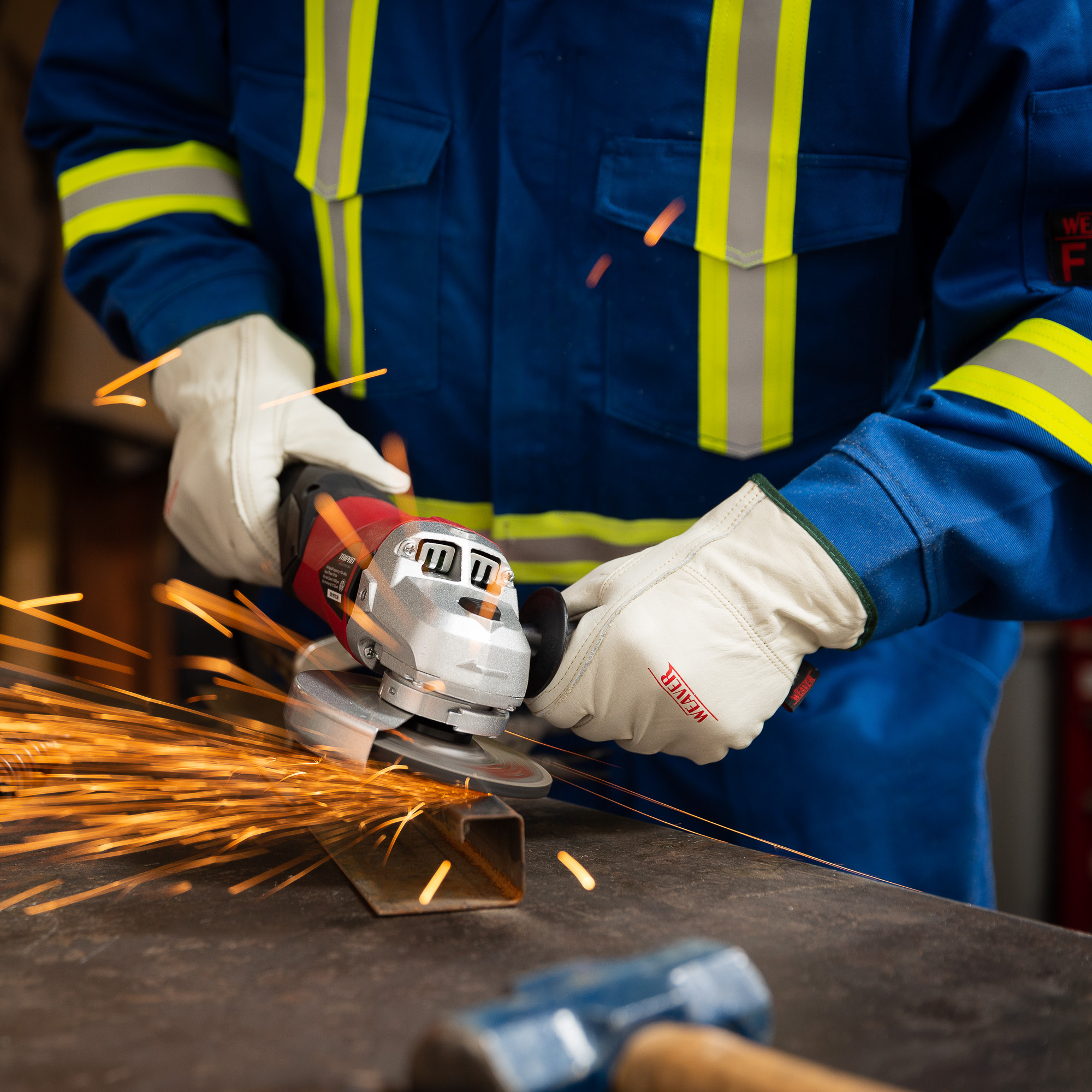
One may establish the overall shape. Another shows scale. Another reveals the material. A close-up explains a mechanism. A rear view shows the connections. An in-use photograph demonstrates how something is held, worn, installed or operated.
When a photo set is planned this way, many questions are answered before the customer has to ask them.
That makes the product easier to understand and the buying process less dependent on assumptions.


4. Help the right customer buy the product
Photography should not convince everybody to buy something.
It should help people determine whether the product actually suits them.
Showing scale accurately may convince one person to buy and another person not to. Showing the real texture of a fabric, the size of a piece of jewelry or the construction of a tool may do the same.
Both outcomes are useful.
A sale made to someone with the wrong expectations can become a return, a complaint or a disappointed customer. Clear photography helps qualify the buyer by setting expectations before the purchase.
5. Give people something they can inspect
Online shoppers use photographs actively. They enlarge them, compare them, look for details and move between views trying to assemble a mental model of the product.
Resolution therefore matters. So do appropriate angles, close-ups and views that establish scale and context.
A beautifully styled photograph can attract attention, but it cannot replace basic product coverage. Sometimes the most valuable photograph in a set is simply the one that clearly shows the back, the underside, the connector, the texture or the actual size of the object.
Useful comes before impressive.

6. Presentation becomes part of perceived quality
The presentation lends to the qualities of the product.
Careless lighting, inconsistent colour, poor focus, strange reflections or visibly inaccurate retouching introduce uncertainty that may have nothing to do with the product itself. Conversely, clear and consistent presentation makes the object easier to evaluate.
This doesn’t mean every product should look luxurious.
A twenty-dollar industrial component does not need to look like a perfume advertisement. It needs to look clear, credible and appropriate to what it is.
Professional product photography is partly the ability to make that distinction.
7. Consistency matters when one product becomes a catalogue
Online shoppers use photographs actively. They enlarge them, compare them, look for details and move between views trying to assemble a mental model of the product.
Resolution therefore matters. So do appropriate angles, close-ups and views that establish scale and context.
A beautifully styled photograph can attract attention, but it cannot replace basic product coverage. Sometimes the most valuable photograph in a set is simply the one that clearly shows the back, the underside, the connector, the texture or the actual size of the object.
Useful comes before impressive.

So what makes it professional?
Not simply an expensive camera, dramatic lighting or retouching.
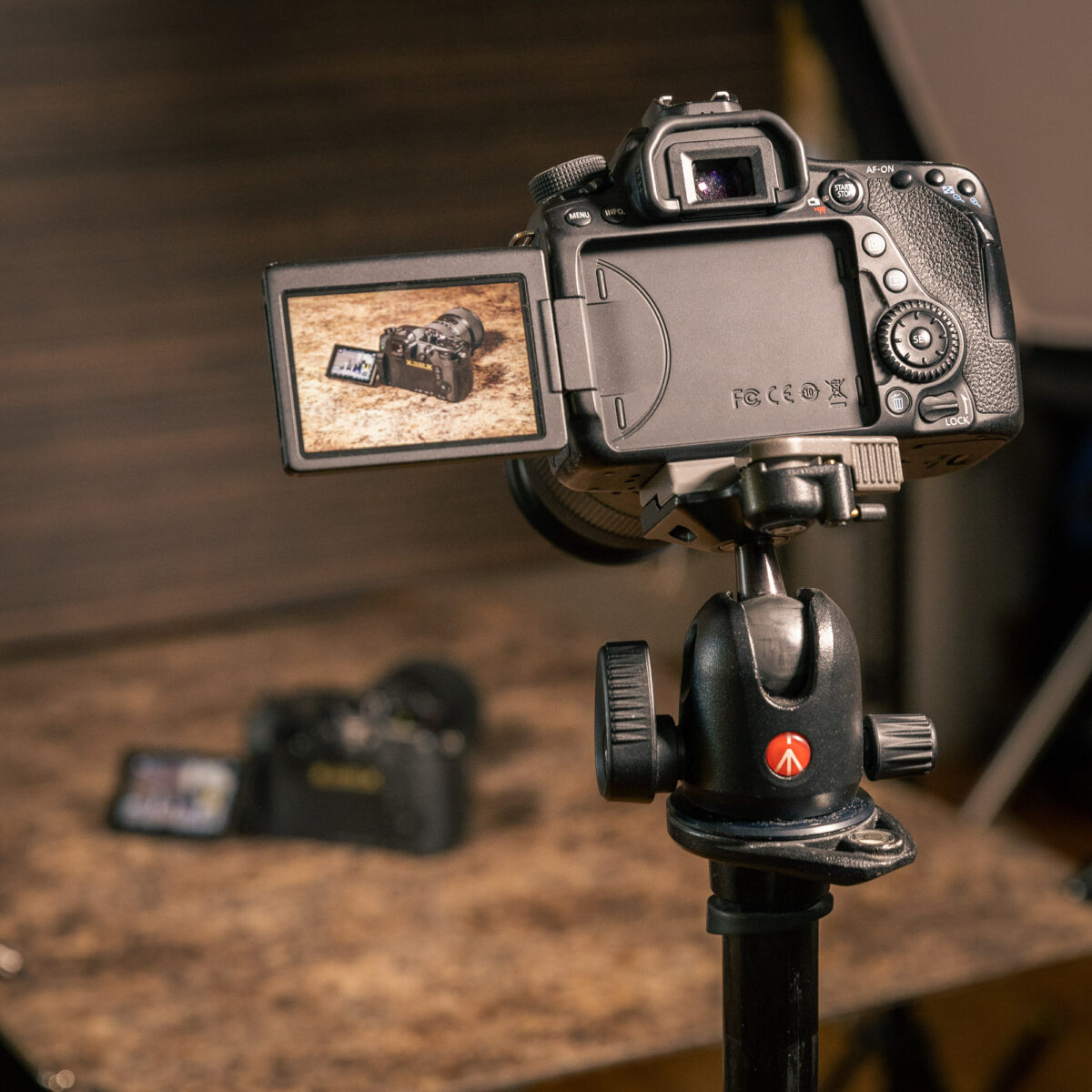
It’s the deliberate process of deciding what a customer needs to see, then controlling lighting, perspective, colour, detail, styling and post-production well enough to show it clearly and consistently.
Sometimes the result should be beautiful. Sometimes it should be technical. Sometimes it should be almost invisible in its simplicity.
The down to earth objective is to show the product in it’s best light, compliment it, encourage a sale but not misrepresent.